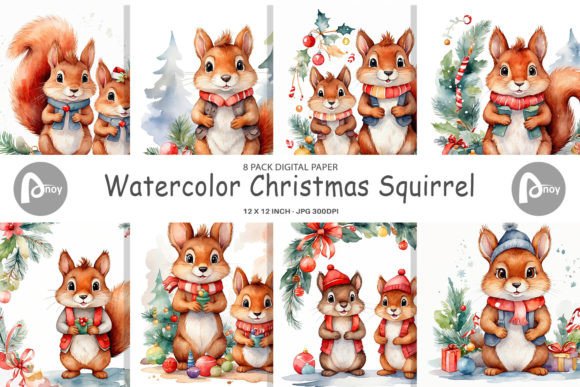
Reviewing the Digital Paper Christmas Squirrel for Embroidery
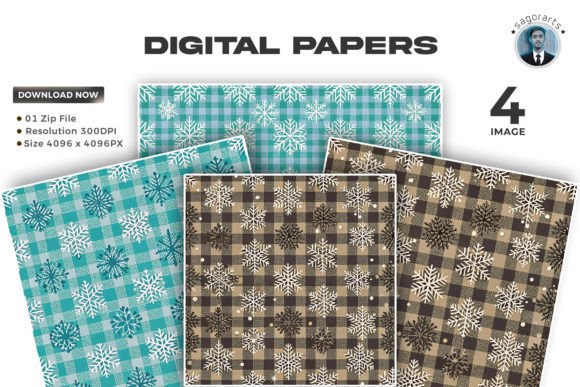
As a designer who spends more time staring at stitch simulations than I care to admit, I have learned that not every cute graphic translates well into thread. We have all been there: you find an adorable illustration, imagine it perfectly centered on a holiday sweatshirt, and then watch in horror as the machine turns fine details into a tangled mess of bobbin thread. This is why I approach new assets with a critical eye. Recently, I spent some time evaluating the Digital Paper Christmas Squirrel, a piece from the broader category of Illustrations, to see if it holds up under the needle.
My goal was not just to admire the artwork but to determine its viability for real-world applications. Could this design survive the rigors of a custom apparel order? Would it look professional on a boutique tote bag? Here is my practical breakdown of how this design performs when moved from the screen to the fabric.
First Impressions and Visual Personality
The first thing that strikes you about the Digital Paper Christmas Squirrel is its whimsical, hand-drawn aesthetic. It does not try to be photorealistic, which is a blessing for embroidery. Photorealism often requires thousands of stitches and excessive density, leading to stiff, heavy patches that ruin the drape of a garment. Instead, this design relies on strong shapes and clear lines. The mood is cozy and festive, evoking the feeling of a rustic cabin or a handmade holiday card.
From a layout perspective, the composition feels balanced. The squirrel is the clear focal point, likely surrounded by seasonal elements like acorns, pinecones, or holly, depending on the specific variation within the set. For an embroidery project, this clarity is crucial. When a customer glances at a finished product, they need to recognize the subject immediately. Ambiguous blobs of thread do not sell handmade products. This design’s distinct silhouette ensures that even from a distance, the charm is evident.
Real-World Application: The Holiday Tote Test
To truly test the versatility of this asset, I imagined a common scenario for many Etsy sellers and craft business owners: the holiday market tote bag. Canvas totes are staples of small shop merchandise, but they present challenges. The fabric is textured, and the surface is large, meaning any design flaw will be magnified.
I visualized placing the Digital Paper Christmas Squirrel on a natural cotton canvas. The earthy tones of a squirrel motif pair beautifully with neutral fabrics. If this were an applique design, it would allow for creative fabric mixing—perhaps using a felt body for the squirrel to add texture without increasing stitch count. If it is a standard fill stitch design, the key would be managing the density. On a tote, you want durability, so a slightly higher stitch density is acceptable, provided you use a cut-away stabilizer to prevent puckering.
Beyond totes, consider custom apparel. A sweatshirt embroidery project featuring this squirrel on the left chest area would make for a subtle, sophisticated holiday look. It avoids the "loud" graphics that often dominate seasonal wear, appealing to customers who prefer understated, personalized gifts. For baby embroidery, however, caution is needed. You would need to ensure the design is scaled down appropriately and that no small, detachable parts (if using applique) pose a safety risk. Always check the scale against the intended garment size.
Navigating Technical Challenges
While the design is charming, it is not without its technical demands. Any experienced machine embroidery designer knows that certain elements require careful handling. Here is where you need to pay attention before hitting "start" on your machine.
- Stitch Density and Fabric Choice: If the design uses heavy satin stitch borders, avoid stretchy fabrics like thin jersey knits without proper stabilization. The tension can cause the fabric to warp. For textured fabrics like towels or fleece, ensure the underlay stitches are sufficient to anchor the top threads.
- Small Details: Look closely at the eyes, nose, or any tiny text included in the illustration. Tiny details often get lost in thick embroidery thread. If the design includes minute elements, consider simplifying them or increasing the overall size of the hoop size usage to maintain clarity.
- Curved Surfaces: Placing this design on a cap or hat requires a 3D foam stabilizer if you want it to pop. However, ensure the design width fits within the curved area of the cap front. A design that is too wide will distort around the curve, ruining the visual appeal.
- Color Contrast: Thread colors play a massive role in readability. A brown squirrel on a dark navy shirt might disappear. Always test your thread color combinations. Using a lighter outline or a contrasting background patch can help the design stand out on dark fabric.
Enhancing Brand Value and Customer Trust
Why does the choice of design matter for your bottom line? Because consistency builds trust. When you use high-quality, well-thought-out assets like the Digital Paper Christmas Squirrel, your finished product looks intentional and professional. Sloppy, pixelated, or poorly digitized designs signal low effort to buyers. In contrast, a clean, crisp embroidery job signals quality.
For digital product sellers, this asset can also serve as a powerful printable mockup element. Showing how the design looks stitched on various items helps customers visualize the final result, increasing buyer engagement. For commercial embroidery projects, having a versatile, seasonally relevant design allows you to create a cohesive collection. Imagine a series of products—aprons, pillow covers, and tea towels—all featuring variations of this squirrel theme. This kind of brand consistency makes your small shop product line memorable.
Practical Notes for the Designer
Before you commit to producing inventory or fulfilling client orders, take these practical steps. First, always run a test stitch on scrap fabric similar to your final material. This allows you to check thread tension and color blending without risking expensive goods. Second, verify the license terms. Just because you purchased a digital embroidery file does not automatically grant you the right to resell the digital file itself. Most licenses allow you to sell finished physical items, but confirm this to protect your craft business.
Additionally, inspect the digitizing quality. Look for efficient pathing that minimizes jumps and trims. Excessive jumps waste time and thread. Check if the design uses running stitch for outlines or fill stitch for larger areas, and adjust your machine settings accordingly. If you are new to working with this specific style, compare light and dark fabric backgrounds to see how the thread sheen affects the look.
In conclusion, the Digital Paper Christmas Squirrel is a strong contender for your holiday lineup. It balances charm with technical feasibility, making it suitable for everything from personalized gifts to boutique branding. By respecting the limitations of your materials and paying attention to stitch density and placement, you can transform this simple illustration into a standout embroidered patch or apparel feature. Remember, the best designs are those that not only look good on screen but survive the wash cycle and bring joy to the end user. Happy stitching.