Reviewing the Funny Christmas Snowman Clipart for Embroidery
As a designer who spends more time staring at stitch simulations than actual snow, I have learned that not every cute graphic translates well to thread. We often get swept up in the charm of a digital illustration, forgetting that an embroidery machine operates with physical constraints that pixels simply do not have. Recently, I pulled the Funny Christmas Snowman Clipart into my workspace to evaluate its potential for a upcoming holiday collection. My goal was not just to admire the art, but to determine if it could hold up under the needle on real-world items like tote bags, sweatshirts, and baby garments.
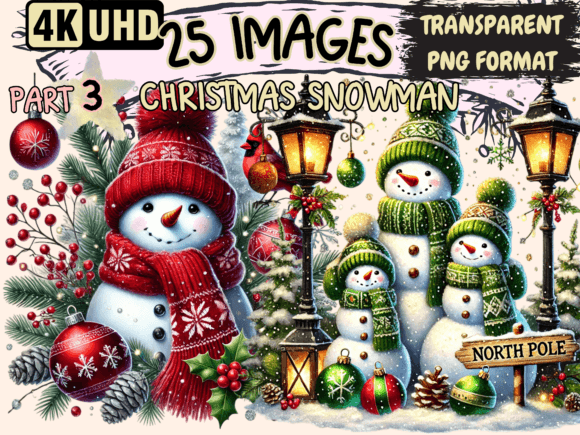
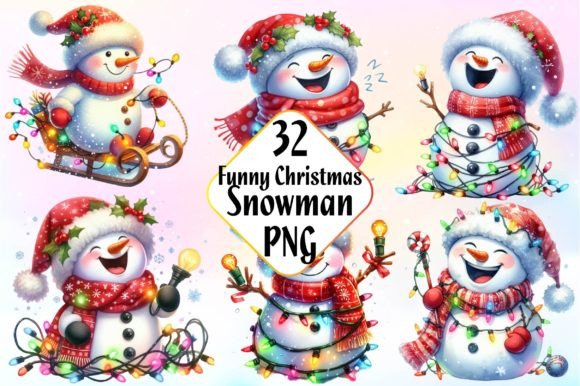
The first impression of this design is undeniably cheerful. It captures that specific brand of whimsical holiday spirit that sells well in December. However, charm alone does not make a viable machine embroidery design. I looked closely at the line work and shape composition. For a piece categorized under Illustrations, the clarity of the outlines is crucial. If the lines are too thin or the details too intricate, they will vanish under the tension of the thread or cause excessive puckering on lightweight fabrics. This particular snowman features bold, recognizable shapes, which is a promising start for any embroidery project intended for commercial use.
Real-World Application: The Holiday Tote Test
To test the practicality of the Funny Christmas Snowman Clipart, I imagined a specific scenario: a custom order for a local boutique needing fifty reusable shopping bags for their December promotion. The client wanted something eye-catching but quick to produce. This is where the design’s layout matters immensely. A cluttered design slows down production and increases the risk of thread breaks.
In this context, the snowman’s silhouette works well for a medium-sized hoop. When visualizing it on a canvas tote bag design, the contrast between the white snowman and a deep red or forest green fabric creates immediate visual pop. I considered how the thread colors would interact. White thread on dark fabric requires high-density stitching to prevent the background from showing through, which can make the design feel stiff. If this clipart relies heavily on open spaces or sparse running stitch details, it might look incomplete on dark textiles. Conversely, on a natural beige or light gray tote, the same design would appear softer and more integrated into the fabric texture.
Performance on Apparel and Textured Fabrics
Moving beyond bags, I evaluated how this design would perform on custom apparel, specifically fleece sweatshirts and cotton t-shirts. These two fabrics behave very differently under the needle. Fleece is thick and plush, which can swallow small details. If the Funny Christmas Snowman Clipart includes tiny facial features or small accessories like a scarf pattern, these might get lost in the pile of the fleece. In such cases, simplifying the design or opting for an applique design approach—where fabric pieces are stitched down rather than filled entirely with thread—might be a smarter choice for maintaining clarity.
For t-shirts, the concern shifts to stability. Thin cotton stretches. If the stitch density of the snowman is too high, the fabric will pucker around the design, ruining the finished product. I always recommend using a cut-away stabilizer for knit fabrics to support the weight of the threads. When reviewing the clipart, I looked for areas that seemed overly dense. A good digital embroidery file should balance satin stitch borders with lighter fill stitch interiors to keep the garment wearable and comfortable. If the snowman’s body is a solid block of color, ensuring the digitizer has used a varied angle pattern in the fill can help reduce that "cardboard" feel that plagues cheap embroidery.
Navigating Small Hoops and Curved Surfaces
Not every project allows for a large 5x7 or 6x10 hoop. Many Etsy sellers and craft business owners rely on smaller 4x4 hoops for items like baby bibs, caps, and ornaments. Here, the scalability of the Funny Christmas Snowman Clipart becomes critical. I mentally resized the design to fit a 4x4 area. Did the eyes become mere dots? Did the smile turn into a jagged line?
Curved surfaces like baseball caps present another challenge. The center front of a cap is narrow and curved. A wide design will distort when stitched. If this snowman is wide and horizontal, it may need to be re-digitized or cropped for hat embroidery. For vertical designs, such as those intended for the cuff of a sock or the corner of a tea towel, the aspect ratio must be checked. I advise always running a test stitch-out on scrap fabric of the same type before committing to the final item. This simple step saves hours of unpicking and frustration.
Commercial Viability and Brand Consistency
For those of us selling handmade products, consistency is key to building trust. Customers return because they know what to expect. Using a cohesive set of design assets helps establish a brand identity. The Funny Christmas Snowman Clipart fits well into a broader holiday collection if paired with complementary elements like snowflakes or festive text. However, one must be cautious about mixing styles. If your shop usually features minimalist, modern lines, a overly cartoonish or detailed snowman might clash with your existing small shop product lineup.
Furthermore, the perceived value of the personalized gift increases with the quality of the stitch work. A clean, well-digitized design signals professionalism. Sloppy edges, loose threads, or misaligned colors signal amateurism. When evaluating this clipart, I considered how easy it would be to maintain high standards across multiple units. Designs that are forgiving of minor tension variations are gold for small businesses during the busy holiday rush.
Practical Designer Notes for Best Results
Before you purchase or download this embroidery file for your next commercial embroidery run, keep these practical tips in mind:
- Check the License: Always confirm whether the file allows for commercial use. Some creators permit selling finished items but prohibit reselling the digital file itself.
- Test on Scrap Fabric: Never stitch directly on your final garment. Use a similar scrap piece to check for puckering, thread breaks, and color accuracy.
- Contrast is King: Ensure your thread colors contrast sufficiently with the fabric. A white snowman on a white shirt will be invisible unless you use a contrasting border or shadow effect.
- Stabilizer Selection: Match your stabilizer to your fabric. Use tear-away for woven fabrics like towels and cut-away for knits like sweatshirts.
- Inspect Small Details: Zoom in on the preview. If details look pixelated or jagged in the software, they will likely stitch out poorly.
- Mockup Verification: Create a printable mockup or digital preview to show clients before stitching. This manages expectations and reduces revision requests.
In conclusion, the Funny Christmas Snowman Clipart offers a delightful aesthetic that, with careful technical consideration, can translate into successful holiday embroidery projects. Whether you are creating an embroidered patch for a jacket or a baby embroidery piece for a shower gift, the key lies in understanding the interplay between the digital design and the physical medium. By respecting the limitations of your machine and fabric, you can turn a simple illustration into a cherished keepsake.