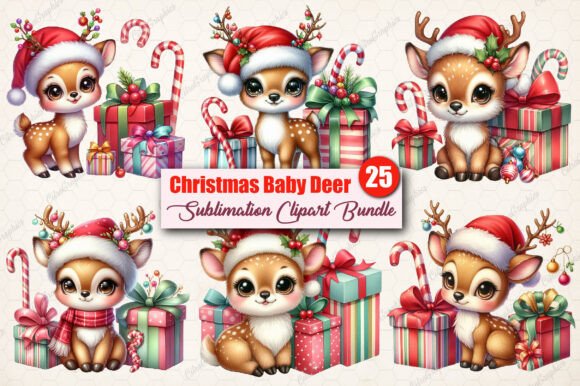
Watercolor Christmas Baby Deer Clipart: A Publisher’s Review of Illustrations
As a digital publisher who has spent over a decade refining the visual identity of content-heavy websites, I approach every new graphic design asset with a critical eye. It is not enough for an image to be pretty; it must perform. It needs to hold attention in a crowded social feed, look crisp on a retina display, and align seamlessly with the editorial tone of the article it supports. Recently, I integrated the Watercolor Christmas Baby Deer Clipart into a seasonal content rollout, and the results offered valuable insights into how specific artistic styles influence reader engagement and brand perception.
The first impression of this collection is undeniably soft, nostalgic, and warm. In the world of editorial design, mood is everything. This asset does not shout; it whispers. The watercolor technique brings a hand-painted authenticity that feels distinct from the flat, vector-based graphics saturating the current creative marketplace. For bloggers and content creators targeting niches like parenting, lifestyle, holiday crafting, or gentle education, this aesthetic creates an immediate emotional bridge with the audience. It signals care, tradition, and a touch of whimsy, which are powerful drivers for click-throughs during the holiday season.
Elevating Blog Graphics and Editorial Layouts
When considering where to place these Illustrations, my primary focus was on high-visibility areas. I tested the baby deer motifs as featured images for blog posts centered around "Cozy Holiday Traditions" and "DIY Christmas Decor." The effect was transformative. Unlike generic stock photography, which can feel cold or disconnected, the watercolor style added a layer of artistic integrity to the page. It made the content feel curated rather than assembled.
In terms of visual hierarchy, these assets work exceptionally well as focal points. Because watercolor art often utilizes negative space and soft edges, it allows headline text to sit comfortably nearby without creating visual clutter. I found that pairing the deer imagery with a clean sans serif font created a modern, balanced look, while combining it with a script font enhanced the feminine, heartfelt vibe. This versatility makes it a robust tool for anyone managing small business branding or personal blog aesthetics.
Maximizing Impact on Pinterest and Social Media
For digital marketers and affiliate bloggers, Pinterest remains a vital traffic driver. The vertical orientation and artistic detail of the Watercolor Christmas Baby Deer Clipart are tailor-made for the Pinterest pin format. I designed several pins using these elements as the central visual anchor, overlaying bold, readable titles about holiday gift guides and seasonal recipes. The soft colors of the watercolor provided a perfect backdrop for high-contrast text, ensuring readability even at thumbnail size.
Beyond Pinterest, these assets shine in social media graphics for Instagram and Facebook. The organic, hand-painted feel stands out against the polished, hyper-saturated feeds that dominate these platforms. It stops the scroll because it feels human. For newsletter creators, incorporating these deer illustrations into header banners or section dividers adds a festive touch that encourages subscribers to read further. It turns a standard email update into a seasonal experience, reinforcing the connection between the creator and the reader.
Strategic Use in Digital Products and Lead Magnets
One of the most profitable applications for this type of digital download is in the creation of proprietary content products. I used the clipart to design covers for a downloadable "Holiday Planning Checklist" and a set of printable gift tags. In the context of a lead magnet, the perceived value of the design directly influences the conversion rate. High-quality, cohesive design assets signal professionalism and effort, making users more willing to exchange their email addresses for the resource.
Furthermore, if you are building a Canva template kit for sale or for client use, including these watercolor elements adds significant marketability. Users love templates that offer a distinct artistic style without requiring them to source complex graphics themselves. Whether used in a digital guide, an eBook cover, or a worksheet for online educators, the baby deer motif adds a layer of charm that elevates the overall product quality.
Technical Considerations for Web Performance
While the aesthetic appeal is strong, a responsible publisher must also consider technical execution. Watercolor images can sometimes suffer from large file sizes if not optimized correctly. Before uploading these to any website header or blog post, I recommend compressing the files to ensure fast load times. Slow pages kill conversion rates and hurt SEO rankings. Test the images on both desktop and mobile devices to ensure the delicate details of the watercolor strokes remain visible and do not pixelate on smaller screens.
Contrast is another critical factor. Because watercolor art often features light, washed-out tones, placing these images on white backgrounds works best. If your website uses a dark mode or a heavily colored background, you may need to adjust the brightness or add a subtle drop shadow to ensure the deer stand out. Always preview the asset within your actual blog layout to check for harmony with your existing brand identity.
Where to Use Caution
Despite its versatility, this asset is not a universal solution. It should be used carefully in contexts that demand strict corporate professionalism or minimalism. For example, using playful baby deer illustrations in serious financial advice articles or legal disclaimers could undermine reader trust by appearing too casual. Similarly, avoid using these detailed illustrations in small mobile thumbnails where the nuance of the watercolor texture will be lost, resulting in a muddy or unclear image.
Additionally, be mindful of text-heavy layouts. If your content marketing strategy relies on dense informational graphics, ensure the clipart serves as an accent rather than a distraction. The goal is to support the message, not compete with it.
Licensing and Commercial Viability
Finally, always verify the licensing terms before using any commercial design element in monetized projects. Whether you are running affiliate marketing links, selling ad space, or offering paid content products, confirming you have a valid commercial license is non-negotiable. This protects your business from legal issues and ensures you can scale your content creation without restriction.
In conclusion, the Watercolor Christmas Baby Deer Clipart is a potent tool for publishers looking to inject warmth and artistic flair into their digital presence. When used strategically in blog graphics, social media visuals, and digital products, it enhances web design quality and fosters a deeper emotional connection with the audience. By balancing aesthetic appeal with technical optimization, you can leverage these Illustrations to create a memorable, polished, and highly engaging holiday content strategy.