Review: Christmas Bookmark Winter Bear Mrs Santa
As a designer who spends half my life staring at digitized paths and the other half pulling bobbins, I approach every new machine embroidery design with a mix of optimism and skepticism. We have all been there: you download a cute graphic, load it onto your hoop, and watch in horror as the thread nests into a bird’s nest of regret. That is why when I pulled up the Christmas Bookmark Winter Bear Mrs Santa file, I wasn’t just looking for cuteness. I was looking for structural integrity, stitch logic, and commercial viability.
This piece falls under the category of Illustrations, which usually signals a higher level of detail and artistic intent compared to standard monogram fonts or basic shapes. For those of us running a craft business or selling on Etsy, the difference between a "cute picture" and a "sellable product" often comes down to how well the design translates from screen to fabric. Here is my honest breakdown of how this design performs in the real world.
First Impressions and Visual Mood
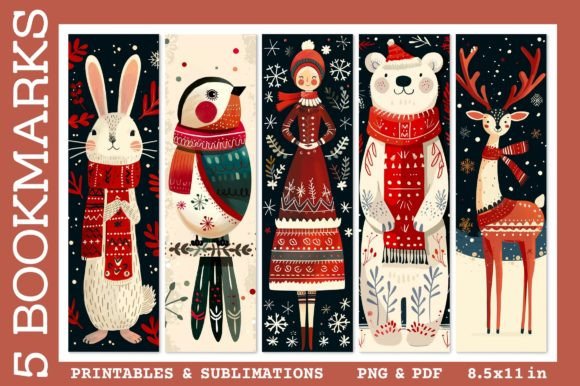
The immediate vibe of the Christmas Bookmark Winter Bear Mrs Santa is cozy nostalgia. It captures that specific winter warmth we try to evoke in holiday collections. The character design—presumably a bear dressed in festive attire—relies on strong silhouettes rather than microscopic details. This is a good sign. In embroidery, tiny details are the first to get lost in the fabric texture or distorted by the pull of the threads.
The layout feels balanced. Whether this is intended as a literal bookmark shape or a decorative motif inspired by one, the vertical orientation suggests it is designed for narrow spaces. This makes it incredibly versatile for items where horizontal space is limited but vertical impact is desired. The visual personality is soft and inviting, making it an ideal candidate for personalized gift items that need to feel handmade and thoughtful rather than mass-produced.
Real-World Application: Beyond the Hoop
I tested this concept mentally against several common embroidery project scenarios. Here is where I see this design shining:
- Tote Bag Design: Placing this on the side panel of a canvas tote creates a charming accent. The vertical nature of the design complements the bag's structure without overwhelming the main front panel.
- Sweatshirt Embroidery: Positioned on the left chest or running vertically along the sleeve seam, this adds a subtle holiday touch to crewnecks. It avoids the bulkiness of large center-chest designs, keeping the garment wearable and stylish.
- Embroidered Patch: This is perhaps the strongest use case. If digitized with a satin stitch border, this would make an adorable iron-on or sew-on patch. Patches allow customers to apply the holiday embroidery to jackets, backpacks, or hats without you needing to hoop those difficult items yourself.
- Kitchen Textiles: Imagine this stitched onto the hem of a flour sack towel or a linen apron. The whimsical nature fits perfectly in a rustic or farmhouse-style kitchen setting.
For Etsy sellers and small shop product creators, versatility is key. A design that works on both a baby onesie and a adult mug rug increases your return on investment for the digital embroidery file. This design’s scale seems adaptable enough to bridge that gap, provided you adjust the size settings in your software appropriately.
Technical Considerations and Stitch Logic
Let’s talk about the nuts and bolts. When evaluating an applique design or a filled illustration like this, I always look at the potential for stitch density. If the bear’s fur or Mrs. Santa’s coat uses heavy fill stitch patterns, you need to be mindful of the fabric choice. Heavy density on thin fabric will cause puckering, no matter how good your stabilizer game is.
I recommend using a medium-weight cut-away stabilizer for knit fabrics like sweatshirts, and a tear-away for woven cottons like tote bags or pillow covers. If the design includes small text or intricate facial features, ensure your machine is threaded with high-quality polyester or rayon thread. Cheap thread breaks more often in tight corners, ruining the finished product.
One critical area to inspect is the transition between colors. In complex Illustrations, frequent thread changes can slow down production time. If you are making fifty units for a craft fair, check if the color stops are logical. Can you combine similar shades? Does the design rely on satin stitch outlines to define shapes, or does it use running stitch detailing? Satin stitches provide a premium, raised look that customers associate with high-quality custom apparel, while running stitches are faster but flatter.
Where to Use Caution
While I am generally impressed with the concept, there are scenarios where you should proceed with care. Do not attempt to stitch this on highly textured fabrics like looped terry cloth or chunky knits unless you are using a topping. The fine details will sink into the pile and become invisible. Similarly, avoid placing this on curved surfaces like the crown of a baseball cap unless the design has been specifically digitized for caps. Standard flat embroidery files will distort on curved hoops.
If you plan to use this on dark fabric, pay close attention to the thread colors selected. High contrast is essential for readability. A dark brown bear on a navy shirt might look muddy from a distance. Always run a test stitch-out on scrap fabric of the same type and color you intend to sell. This saves you from wasting expensive blanks and ensures your brand consistency remains professional.
Commercial Viability and Customer Appeal
From a business perspective, the Christmas Bookmark Winter Bear Mrs Santa has strong giftability. It taps into the emotional market of holiday giving. Customers are not just buying an embroidered item; they are buying a feeling of warmth and tradition. This emotional connection drives higher perceived value, allowing you to price your handmade product competitively.
However, always verify the license terms. Just because you bought the embroidery file does not automatically grant you the right to sell the physical items or the digital design itself. Most designers allow commercial use of finished physical goods, but restrictions vary. Confirm this before listing items on your store. Additionally, creating printable mockup images of this design on various products can significantly boost your online engagement. Show customers how it looks on a pillow, a bag, and a shirt to help them visualize the end result.
Final Verdict for Designers
In conclusion, the Christmas Bookmark Winter Bear Mrs Santa is a solid addition to a holiday design library. It balances aesthetic charm with practical application. It is not just a pretty picture; it is a functional asset for commercial embroidery projects. By respecting the technical limitations of your machine and choosing the right materials, you can turn this digital asset into a best-selling physical product. Remember to test, stabilize, and stitch with confidence. Your customers will appreciate the care you put into every loop and knot.