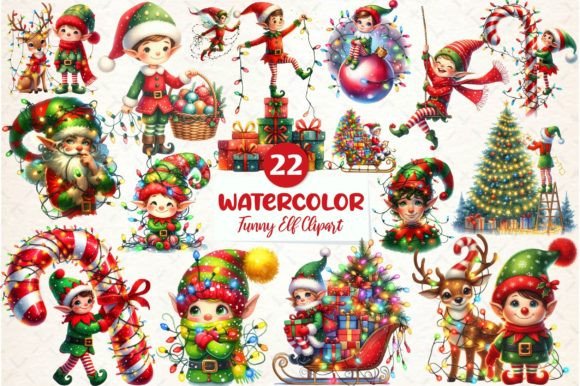
Funny Elf Clipart: Festive Illustrations
As a digital publisher who has spent years refining the visual identity of content-heavy websites, I have learned that the difference between a scroll-past and a click-through often comes down to micro-decisions in graphic design. When I first loaded the Christmas Elf Clipart, Funny Elf Clipart collection into my design workspace, my immediate reaction was one of relief. In the saturated market of holiday assets, finding illustrations that balance professional polish with genuine whimsy is rare. This asset does not just fill space; it injects personality.
The editorial mood created by these Illustrations is distinctly playful yet clean. For bloggers and content creators, this is crucial. We are not just decorating; we are communicating tone. These elves feel lifestyle-focused and approachable, avoiding the stiff, generic look of stock photography that often plagues seasonal blog posts. They support niches ranging from family parenting blogs and DIY craft sites to light-hearted affiliate marketing reviews and educational resources for young learners. The style is modern enough to fit contemporary web design trends while retaining the classic charm expected during the holiday season.
Integrating Assets into Real Publishing Workflows
Let us discuss practical application. I recently used a similar style of Christmas Elf Clipart, Funny Elf Clipart to overhaul a client’s December content calendar. The goal was to increase engagement on Pinterest and improve the visual hierarchy of their blog headers. Here is how these assets perform in real-world scenarios:
- Pinterest Graphics: The high-contrast lines and expressive characters work exceptionally well on vertical pins. They grab attention in a crowded feed without requiring excessive text overlay.
- Blog Featured Images: Placing an elf character beside a headline creates an immediate focal point. It breaks the monotony of text-heavy archives and invites the reader into the article.
- Newsletter Banners: Email open rates often depend on pre-header visuals. Using these funny elves in newsletter graphics adds a touch of humor that humanizes the brand before the subscriber even reads the subject line.
- Digital Products: If you create downloadable printables, worksheets, or digital guides, these elements serve as perfect decorative accents. They make a standard PDF feel like a premium, thoughtfully designed product.
For affiliate marketers, trust is currency. A polished look suggests a professional operation. By using high-quality graphic design assets like this clipart set, you signal to your audience that you care about presentation. This subtle cue can improve reader trust and, by extension, conversion rates on affiliate links. It transforms a basic blog post into a cohesive piece of content marketing that feels intentional rather than rushed.
Visual Hierarchy and Brand Identity
One of the most underrated aspects of web design is consistency. When you use a specific style of Illustrations across your platform, you build a recognizable brand identity. The Christmas Elf Clipart, Funny Elf Clipart set offers enough variety to keep content fresh while maintaining a unified aesthetic. Whether you are designing a website header, a social media preview, or a Canva template for your team, the consistent line weight and color palette ensure that your digital presence looks coordinated.
This consistency aids in category recognition. If your readers see a specific elf character, they may begin to associate it with your holiday series or your specific brand of humor. This is powerful for small business branding. It turns generic holiday content into proprietary visual IP. Furthermore, these assets support better visual hierarchy. By placing a large, engaging elf illustration next to your primary call-to-action or headline, you guide the eye naturally through the layout. This is essential for keeping bounce rates low and time-on-page high.
Strategic Placement and Cautionary Notes
While these assets are versatile, they are not a universal fix. Understanding where they work best is key to effective editorial design. They shine in hero images, article thumbnails, and as accents in white-space-heavy layouts. They are ideal for lead magnets and digital downloads where a friendly, inviting tone is required. However, there are contexts where they should be used carefully.
Avoid using these playful elves in serious professional niches, such as legal advice, financial planning, or corporate crisis management. The humorous tone may clash with the gravity of the subject matter, potentially undermining authority. Additionally, be cautious with small mobile thumbnails. If the elf’s facial expression is too detailed, it may become unreadable at a tiny size. Always test your blog graphics on multiple devices. What looks charming on a desktop monitor might look like clutter on a smartphone screen.
Another consideration is background contrast. These illustrations typically work best on light or neutral backgrounds. Placing them on busy, patterned backgrounds or low-contrast colors can make them disappear, frustrating the user experience. Keep your layouts clean to let the creative design breathe.
Practical Publisher Notes for Implementation
Before you integrate Christmas Elf Clipart, Funny Elf Clipart into your next campaign, run through this technical checklist to ensure optimal performance:
- Test Responsiveness: Preview the asset on both desktop and mobile screens. Ensure the key features of the elf are visible even when scaled down for a thumbnail.
- Typography Pairing: Experiment with font pairings. These elves often look great beside bold sans-serif fonts for a modern look, or handwritten script fonts for a cozy, personal feel. Avoid overly ornate display fonts that might compete with the illustration’s details.
- File Optimization: Review file sizes for web performance. Large, uncompressed images slow down page load times, which hurts SEO. Use tools to compress your images properly without sacrificing quality.
- Licensing Verification: Always confirm the commercial license terms. If you are using these assets on monetized websites, affiliate pages, or in paid digital products, you must ensure you have the right to do so. Protect your business by respecting intellectual property rights in the creative marketplace.
- Contrast Checks: Place the illustration against your actual website background colors. Ensure there is sufficient contrast for accessibility standards.
In conclusion, the Christmas Elf Clipart, Funny Elf Clipart collection is more than just a decorative addition; it is a strategic tool for digital publishers. When used correctly, it enhances visual communication, supports small business branding, and elevates the perceived value of your content. Whether you are creating a Pinterest pin, a social media graphic, or a comprehensive digital guide, these design assets provide the professional polish needed to stand out in a crowded digital landscape. Treat them as integral components of your commercial design strategy, and they will repay the investment with increased engagement and a stronger connection to your audience.